The French manicure has survived every trend cycle for a simple reason: it makes short, ordinary nails look clean and longer without shouting about it. A pale pink or nude base, a crisp white tip, and a glossy top coat. That formula still anchors a lot of appointments at Upscale Nails in Shelby, but it is no longer the only version on the menu. Baby boomer ombre, micro-French, and colored tips all grew out of the same idea, and each one suits a different season, job, and tolerance for upkeep.
Timing matters more than most people expect in Piedmont North Carolina. Spring pollen, summer humidity, fall events, and dry winter air all change how a light-colored manicure wears and how obvious regrowth looks.
The classic French, and why it still works
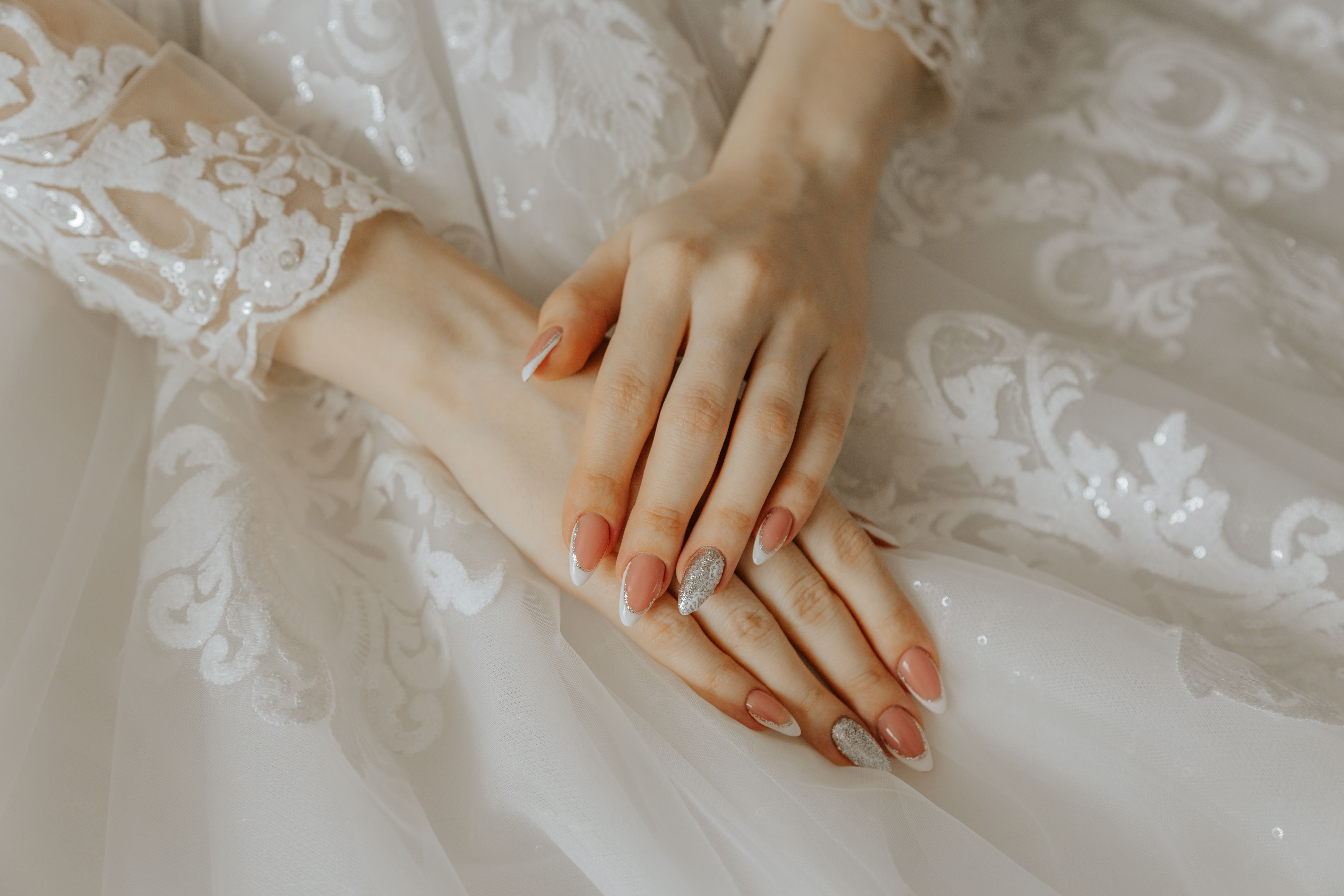
The classic French is built in layers. First the nail is shaped, usually almond, oval, or soft square, because a curved free edge carries the white tip more naturally than a sharp corner. Then comes a sheer base in pink, peach, or milky nude that evens out the color of the nail bed. The tip is painted white, either as gel polish, regular polish, or a sculpted product, and the whole nail is sealed.
Two things decide whether it looks right. The first is proportion. On a short nail, a thick white band eats up the nail bed and makes fingers look shorter. A thinner tip, the outer fifth of the visible nail, keeps the balance. The second is the smile line, the curve where white meets pink. A shallow, even curve flatters most hands. A deep, pointed curve can look dramatic in a photo and odd in person, especially once the nail grows out a millimeter or two.
The classic version is the most forgiving for workplaces with dress codes and for anyone who types all day. It also hides minor chips better than a solid dark color, because the base is close to your natural nail color.
Baby boomer, micro-French, and colored tips
Baby boomer, sometimes called French ombre, keeps the same two colors but blends them. Instead of a hard smile line, the white fades gradually into the pink, usually with a sponge or an airbrush-style gel technique. There is no edge to chip in an obvious line, and regrowth at the cuticle is less noticeable because the base stays sheer. It is a good pick if you like the French look but hate seeing a sharp line move down the nail as it grows.
Micro-French shrinks the tip to a hairline. On a short nail, a white or colored line one or two millimeters wide along the free edge reads as tidy rather than styled. It is popular for short natural nails with gel polish or builder gel underneath, and it is the fastest of the group to maintain because a fill only needs that thin edge refreshed.
Colored tips swap the white for anything else: black, red, sage, navy, chrome, or a different color on each nail. The structure is identical to a classic French, only the contrast changes. Bright tips show chips and tip wear sooner than white because the eye catches the break in color. Pastels are the middle ground, softer than brights and more forgiving than pure white in summer sun.
Picking by season in Shelby
Spring in Shelby means pollen on every surface and a lot of hand washing after yard work. A baby boomer set handles that stretch well because there is no hard tip line to trap discoloration, and the sheer base does not clash with the constant shift between work clothes and weekend clothes.
Summer brings humidity, pool water, sunscreen, and lake weekends. White tips can pick up a yellow cast after repeated sunscreen contact, so wipe nails after applying lotion and wash hands before the product sits on the polish for hours. Colored tips in coral, red, or soft blue tend to be the practical summer choice. They show less staining and the color still feels seasonal.
Winter air in the Piedmont is dry enough to make cuticles crack and nail plates more brittle. The polish choice matters less than the base underneath. A structured gel or dip base under any French variation reduces flex and breakage when you are opening packages, scraping windshields, and washing hands in hot water.
Seasonal French checklist before you book
- Check your next two weeks: if photos or events matter most, choose classic French and book close to the date; if low visible regrowth matters most, choose baby boomer.
- Look at your nail length honestly: short nails pass with micro-French or a thin classic tip, and fail with a thick white band that shortens the nail bed.
- Note your water exposure: frequent swimming, dish washing without gloves, or health care hand hygiene points to gel or dip over regular polish.
- Check your wardrobe for the stretch: if you will wear mostly dark denim or use self-tanner, skip pure white tips that week and pick a colored or ombre tip.
- Inspect your cuticles: cracked, dry skin around the nail means add cuticle oil daily for a week before and after, whichever style you choose.
- Decide on length first, color second: a shape you can type and work in will outlast any color trend.
Upkeep that keeps any French looking fresh
Most gel French sets are filled or redone every two to three weeks. Do not peel lifting polish off. Peeling pulls up layers of the natural nail plate and leaves a rough surface that the next set will not adhere to as well, which is how a small lift becomes repeated lifting.
At home, three habits cover most of the wear. Wear gloves for dishes and cleaning, because hot water and detergents soften coatings and dry the nail. Apply cuticle oil once a day, twice in winter, and push it under the free edge as well as around the cuticle. Use the pads of your fingers, not the nail tips, to open cans, scrape labels, and type on a phone when you can retrain the habit. None of this is fussy. It is the difference between a set that looks finished at day fourteen and one that looks tired at day eight.
Common questions
Which French style lasts longest before regrowth shows?
Baby boomer usually hides regrowth best because the sheer base blends into your natural nail and there is no hard tip line moving down the nail. Micro-French is a close second on short nails.
Can I get a French manicure on short natural nails?
Yes. Micro-French and a thin classic tip are made for short nails. The key is keeping the white band narrow so the nail bed still looks long.
Why do white tips turn yellow in summer?
Sunscreen, self-tanner, and strong sun are the usual causes. Wiping nails after applying lotion and washing hands promptly reduces the staining, and a fresh top coat at a fill restores the brightness.
Photos in this guide are representative stock images.
← All guides from Upscale Nails← Back to Upscale Nails