Builder gel is the answer to a familiar problem: your own nails are the right length, they just will not stay that way. One breaks peeling potatoes, another splits at the corner, and polish chips by day three because the nail underneath flexes. A builder gel overlay adds a structured layer over your natural nail so it can grow and hold polish, without adding artificial length the way acrylic extensions do. At Upscale Nails in Shelby, it is the service people ask about most after a run of breaks, and also the one most often confused with a regular gel manicure.
The difference is structure, not just shine. A standard gel polish is thin and flexible. Builder gel, sometimes listed as a structured manicure or BIAB-style overlay, is thicker, is shaped with a raised apex over the stress point of the nail, and cures hard enough to protect the free edge. Understanding what that structure does, and what neglect does to it, helps you decide if it fits your hands.
What a structured overlay actually is
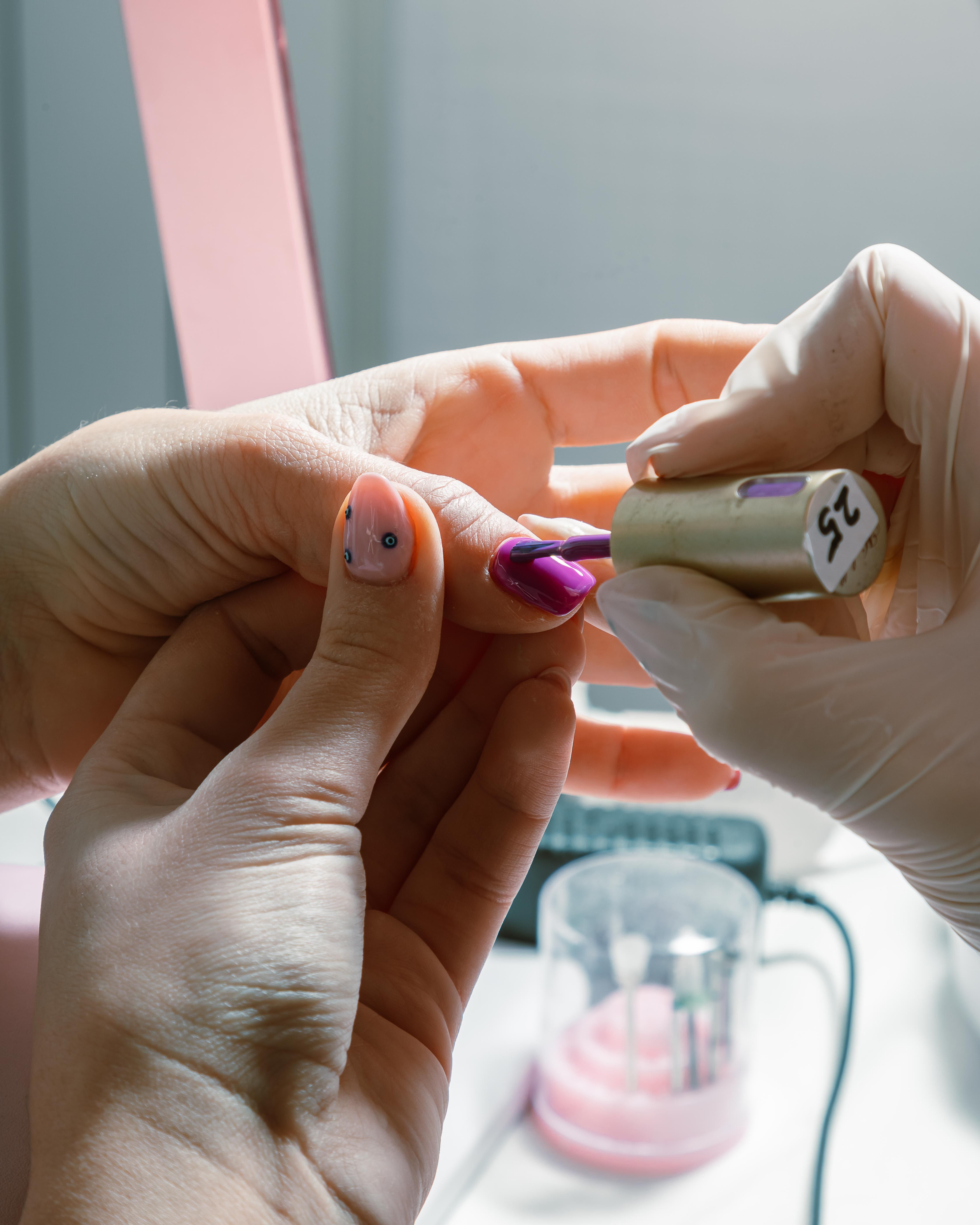
After prep, shaping, and cuticle care, the technician applies a base, then builds the builder gel in one or two layers. The thickest part sits slightly behind the middle of the nail, over the area that bends most when you press on the tip. That raised curve, the apex, distributes force so the nail flexes as a unit instead of cracking at the sidewalls. Color goes on top, or the builder itself can be tinted in a nude or pink and finished clear.
An overlay follows your natural nail. It does not add length beyond a tiny edge seal, and it is not meant to. If you want noticeable added length, that is an extension service with tips or forms, which is a different appointment with different upkeep. An overlay is for growing and keeping your own length. Most people feel the difference immediately: nails feel firm when typing and opening containers, not bendy.
Fills are part of the system. As your nail grows, the apex moves forward toward the tip and stops protecting the new stress point. A fill removes the bulk that has grown out of position, rebalances the apex, and refreshes the color. Skipping fills does not save the set. It puts the heaviest part of the product exactly where leverage is worst.
Who it helps, and who should skip it
Builder gel suits people whose nails peel, split at the corners, or break at the same spot repeatedly, and people who can grow length but cannot keep polish on because their nails are naturally thin or flexible. It is also a practical middle step when you are growing out damage from a removed acrylic set and need protection while the weaker nail grows past the free edge, a process that takes weeks, not days.
It is less useful if you bite or pick at your nails, because a hard overlay gives picking more to work against and the resulting damage is worse when a piece finally comes off. It is also not a fix for nails that lift due to a medical issue, a fungal problem, or repeated trauma from a job task. In those cases the overlay hides the symptom while the cause continues underneath. A good technician will tell you when a bare-nail break is the better call.
What waiting and neglect actually cost the nail
The cost here is not money, it is nail plate. When a fill is overdue, the grown-out apex acts like a lever. A knock that a balanced nail would shrug off now concentrates at the stress point, and the break, when it comes, tends to happen lower, sometimes into the nail bed. A low break hurts, takes longer to grow out, and often forces the whole set shorter to match. Staying on a two-to-three-week fill rhythm is cheaper in length than any repair.
Lifting is the other quiet problem. Once an edge lifts, water, soap, and lotion get underneath every time you wash your hands. Trapped moisture against the nail plate can lead to discoloration and, if sealed over at the next appointment without being fully removed, a greenish stain from bacteria that thrive in damp, dark spaces. A small lift caught early is a quick fix. A lift ignored for weeks can mean soaking the set off entirely, letting the nail dry out and grow clear, and starting over shorter.
Peeling or prying an overlay off is the fastest way to undo its benefits. Builder gel bonds tightly, so forced removal pulls up surface layers of your own nail. The result is thin, rough, sensitive nails that then need the overlay more than ever. A proper soak-off or careful e-file removal by a technician takes longer in the chair and saves you months of growing out thinned nail plates.
Daily care for an overlay
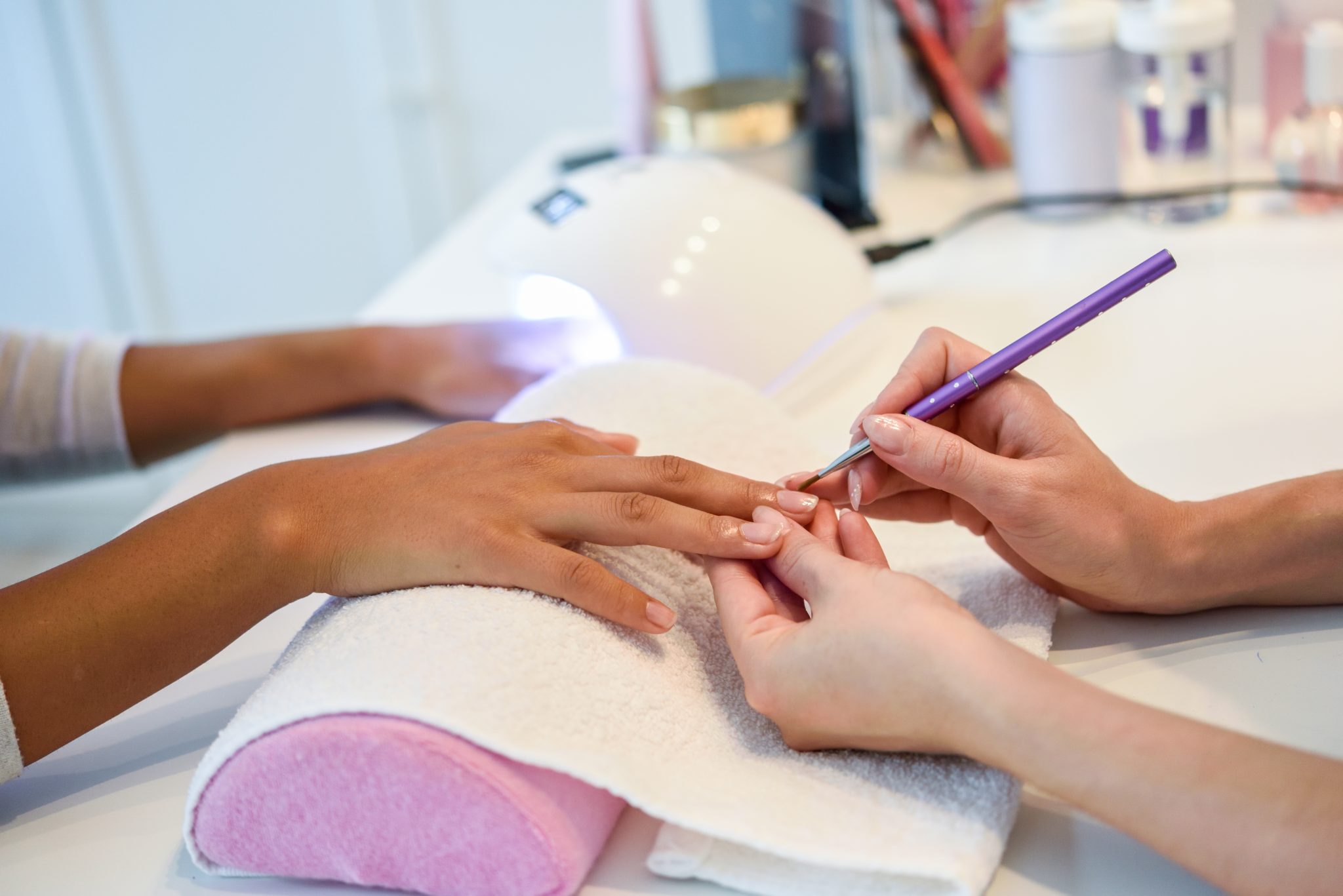
Cuticle oil daily is the main habit. It keeps the natural nail and surrounding skin flexible, which reduces edge lifting far more than any top coat trick. Wear gloves for dish washing and cleaning, since long hot soaks soften any gel system and swell the natural nail underneath, stressing the bond as it dries back out. Use tools for prying and opening, not your nail tips, even though the overlay feels strong enough to allow it. Strength is for protection against accidents, not for turning nails into screwdrivers.
In winter, moisturize after every hand wash if you can. Dry, shrunken cuticle skin pulls away from the overlay edge and gives lifting its starting point.
Book the fill when you book the set, if your schedule allows. Most breaks and lifts happen in the extra week people tack on because life got busy. If you know a trip, move, or busy stretch is coming, tell your technician. A slightly shorter, freshly balanced set survives a busy month far better than a long, overdue one.
Common questions
Is builder gel the same as a regular gel manicure?
No. Gel polish is a thin, flexible color coating. Builder gel is a thicker, structured layer shaped with an apex to add strength over your natural nail, with color on top or tinted into the builder itself.
Can builder gel make my nails longer?
It protects your own nails so they can grow longer over several weeks, but the overlay itself does not add extension length. Added length requires tips or forms, which is a separate service.
What happens if I skip a fill for a month?
The structure grows out of balance, so knocks are more likely to break the nail low and edges are more likely to lift and trap moisture. A fill on schedule protects length; an overdue set often ends up shorter.
Photos in this guide are representative stock images.
← All guides from Upscale Nails← Back to Upscale Nails